

Recently I was watching a group on the YouTube channel, Cinema Gek, react to season 4, episode 9 of The Walking Dead.
After watching Michonne's dream about her son, one of the viewers named Carter made a comment saying, "You know, maybe that's one aspect of the show that we should see more is everyone having nightmares every night cause it kind of felt like a lost moment. Like everyone should have nightmares every night."
This got me thinking of the amount of dream sequences that are seen throughout the show. Many of them are hallucinations that include past traumas that the characters have dealt with and the fear of the future.
The Walking Dead has done a great job at including these dream sequences to add onto characters' stories and display their development to the audience. Michonne's dream during season 4, episode 9, titled "After," is a perfect example. The dream shows us a glimpse into her old life before the apocalypse and her time surviving before meeting Rick's group. The dream reveals she had a son and that her two zombie pets were her boyfriend and his best friend.
Before this we only had two hints towards her past life. One being when she cried when holding Judith during season 4 episode 2, titled "Infected." Another was when she told Andrea in season 3, episode 14, titled "Prey," that her two walker pets "deserved what they got" and that "they weren't human to begin with." We don't learn too much from these two instances other than the indication that she might have had a child and that she knew the walkers. However, after witnessing Michonne's dream, the audience learns more about her past. The dream digs deeper into her character, showing that she is still struggling to move on from her past.

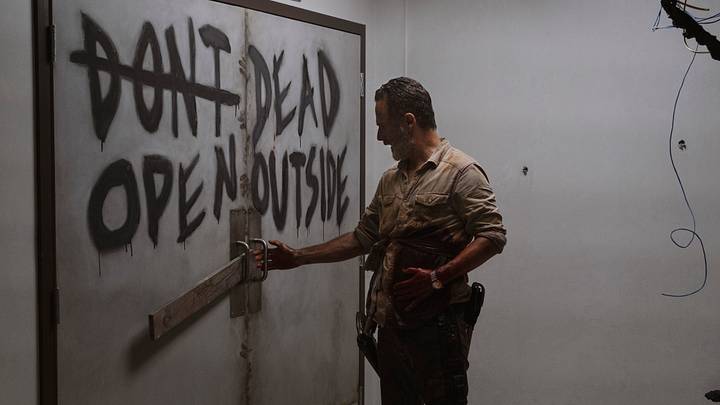
The Walking Dead uses even more dream sequences as a different medium in the future to show more about characters rather than telling their story straight out. Another popular dream sequence appears during Rick's farewell episode in season 9, episode 5, titled "What Comes After." This whole episode is filled with characters from Rick's past, and it really shows the culmination of his whole story on the show.
His halucinations/dreams all summarized the entirety of Rick's journey and his life's purpose throughout the apocalypse, which was to do anything he could to keep his family safe. Up until his departure on the show, he was trying to protect his family. In that final bridge scene when he finally "found" his family, he made the decision to blow up the bridge to save his family at the cost of his own life.
Thankfully, Rick's heroic sacrifice did not cost him his life, and he continued his life's journey. The Walking Dead writers have done an amazing job at telling a deeper story through the art of dream sequences. The writers continue to tell these stories through dream sequences on other spinoffs of the show. This medium of storytelling really shows a deeper side of characters and the story they are there to tell.
 Add us as a preferred source on Google