

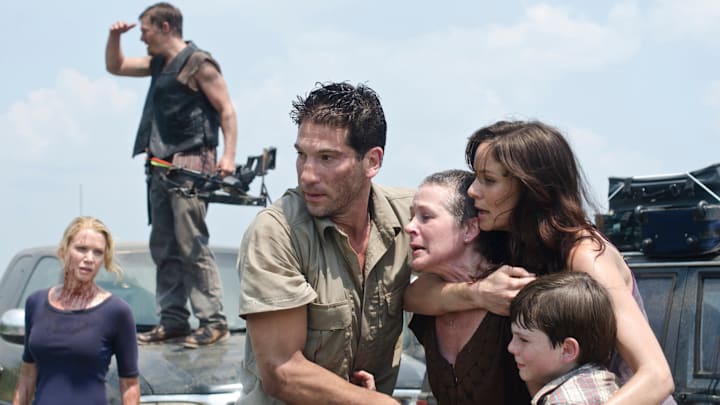
When fans talk about The Walking Dead, it’s usually all about the shocking deaths, intense walker battles, or the high-stakes drama of the later seasons. But there’s one season that doesn’t always get the credit it deserves. That's The Walking Dead season 2.
At first glance, it might seem slower. There’s the long, drawn-out search for Sophia, the days spent on Hershel’s farm, and stretches where it feels like nothing is happening. Casual viewers often label it “boring” and move on. But that’s missing the point. Season 2 is where The Walking Dead really starts to dig into what it means to survive in a world that has no rules. It’s quieter, yes, but it’s emotionally richer and morally deeper than most people give it credit for.
Unlike season 1, which threw us straight into the apocalypse’s chaos, season 2 forces the characters and the audience to live in it. The threat of walkers is always there, but now they’re secondary to the struggles of human relationships, leadership, and moral compromise.

Rick Grimes is under constant pressure, trying to keep everyone safe while staying true to his principles. Every decision is a balancing act. Shane Walsh, on the other hand, is unraveling in real time, torn between grief, jealousy, and what he thinks survival demands. Meanwhile, Lori wrestles with complicated emotions, and Glenn and Maggie’s budding relationship shows small glimpses of hope amid all the despair. The slower pace allows for these moments to resonate.
The farm isn’t just a backdrop for the action either. It's where the characters’ flaws, fears, and desires are exposed. Removed from the constant chaos of the road, the group is forced to confront not only the walkers outside but also the human conflicts within.
Trust is fragile, and the line between right and wrong is constantly blurred. From rationing food to deciding how to handle outsiders who threaten the group, the stakes are always real. And then there’s the unforgettable moment in Hershel’s barn, which follows weeks of searching for Sophia.
The group is confronted with a truth that completely shatters their hope and forces them to reckon with the unflinching realities of survival. It is not a scene designed for spectacle or jump scares. It's a moment of raw human emotion. Beyond this harrowing moment, season 2 excels in its exploration of interpersonal conflict.
Rick and Shane’s rivalry is a perfect example. Rick wants to lead with integrity, while Shane increasingly ignores moral boundaries in the name of survival. Watching their conflict unfold throughout season 2 is fascinating because it’s believable, grounded, and fueled by real emotions. It's not melodrama. It’s the natural result of two people responding differently to trauma. Their eventual showdown is heartbreaking, culminating in Shane's death.
Ultimately, The Walking Dead season 2 proved that the zombie series was at its most compelling when it paired external threats with internal conflict. The walkers provided danger, yes, but the emotional and moral tension within the group kept viewers on edge. Though it may have been dismissed as slow or tedious by some, the second season stands as a quietly brilliant chapter in the series, in our opinion.
The Walking Dead is streaming now on Netflix.
 Add us as a preferred source on Google