

There’s just something undeniably thrilling about a zombie apocalypse. Maybe it’s the adrenaline rush of outrunning the undead, the wild chaos of society crumbling, or the sheer guilty pleasure of watching people get chased to their doom. Whatever it is, zombie movies and TV shows have a unique way of hooking us instantly.
Over the years, both movies and series have taken the genre to wild new heights, delivering everything from blood-soaked scares and edge-of-your-seat suspense to darkly funny moments that make the apocalypse oddly entertaining.
In this article, we're looking back at three of the best zombie movie and TV franchises of all time. These are the franchises that set the bar for thrills and terror. Whether you’re a longtime horror fan or new to the genre, these three franchises are essential viewing for anyone who wants to experience the undead at their absolute best.

The Walking Dead franchise
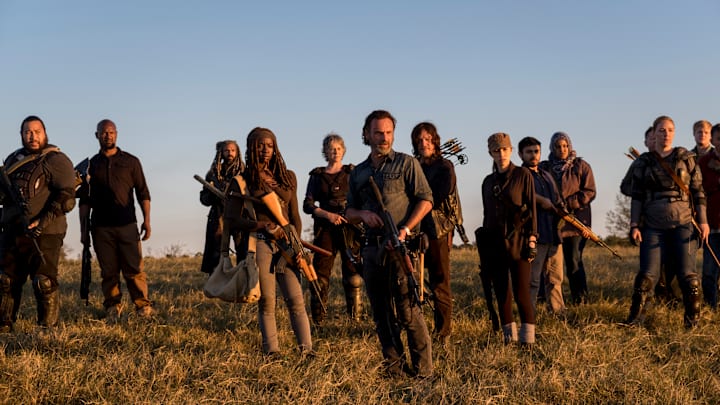
Not many television shows have had the cultural impact and staying power of The Walking Dead. When it premiered in 2010, it wasn’t just another horror series. It was a revolution in zombie storytelling. Unlike traditional zombie stories that focus purely on scares and gore, The Walking Dead created an immersive world where the real tension often came from the human drama.
What also makes this show so great is its character-driven storytelling. Heroes like Rick Grimes, Daryl Dixon, Michonne, and Carol became iconic not just because they survived the apocalypse, but because we watched them evolve, struggle, and fight to maintain their humanity in impossible circumstances. Their struggles, losses, and triumphs gave the series a depth that few other zombie shows achieve, allowing viewers to become emotionally invested in a world where death could strike at any moment.
And it’s not just the original series. Spinoffs like Fear the Walking Dead and Daryl Dixon expanded the universe, showing new survival stories, fresh characters, and even more ways humanity can screw things up while fighting off the undead. Overall, The Walking Dead franchise has been around for over a decade, and it doesn't look like it'll be slowing down anytime soon with even rumors of a crossover spinoff in the works!
Night of the Living Dead franchise
If there’s one zombie franchise that basically invented modern horror, it’s Night of the Living Dead. When George A. Romero dropped the original in 1968, audiences weren’t just scared. They were absolutely shook! These weren’t the boring monsters from old monster movies. Romero’s zombies were relentless, creepy, and the perfect backdrop for a story about humans losing their minds under pressure.
Beyond the scares, the Night of the Living Dead franchise became legendary for its sharp social commentary as well. Romero used the apocalypse as a mirror, reflecting society’s fears, conflicts, and inequalities, giving the horror a depth that few other zombie stories attempt.
And the influence of the franchise? Massive. Every zombie film, TV show, or video game that followed owes a debt to Romero’s vision. From the original classic to remakes, spinoffs, and spiritual successors, the Night of the Living Dead franchise continues to inspire, terrify, and captivate new audiences while reminding us why Romero’s vision changed the genre forever.
28 Days Later franchise
The 28 Days Later franchise also completely changed the game. Not only did it reimagine what zombies could be, but it also made the apocalypse feel disturbingly real and left a legacy that reshaped the horror genre for a new generation. When 28 Days Later hit U.S. theaters in 2003, it changed everything about how zombies were portrayed on screen.
Gone were the slow, shambling undead that dominated classic horror. In their place were the fast, aggressive, and terrifyingly relentless infected, bringing a new level of intensity and urgency to horror. This fresh take has since become a hallmark of modern zombie films and TV shows, shaping countless entries in the genre.
Then, there’s the world-building. The franchise paints a post-apocalyptic landscape that feels hauntingly believable. It’s a world that sucks you in, making you imagine how you’d survive if society suddenly collapsed. Each sequel, from 28 Weeks Later to the latest installments, has expanded this universe, introducing new threats, fresh characters, and even more ways for chaos to reign.
With its frenzied infected, emotionally charged storytelling, and influence that continues to ripple through modern zombie media, the 28 Days Later franchise has easily earned its place as one of the most iconic and game-changing zombie franchises of all time. You can catch the latest film in the franchise, 28 Years Later: The Bone Temple, in theaters right now.
 Add us as a preferred source on Google